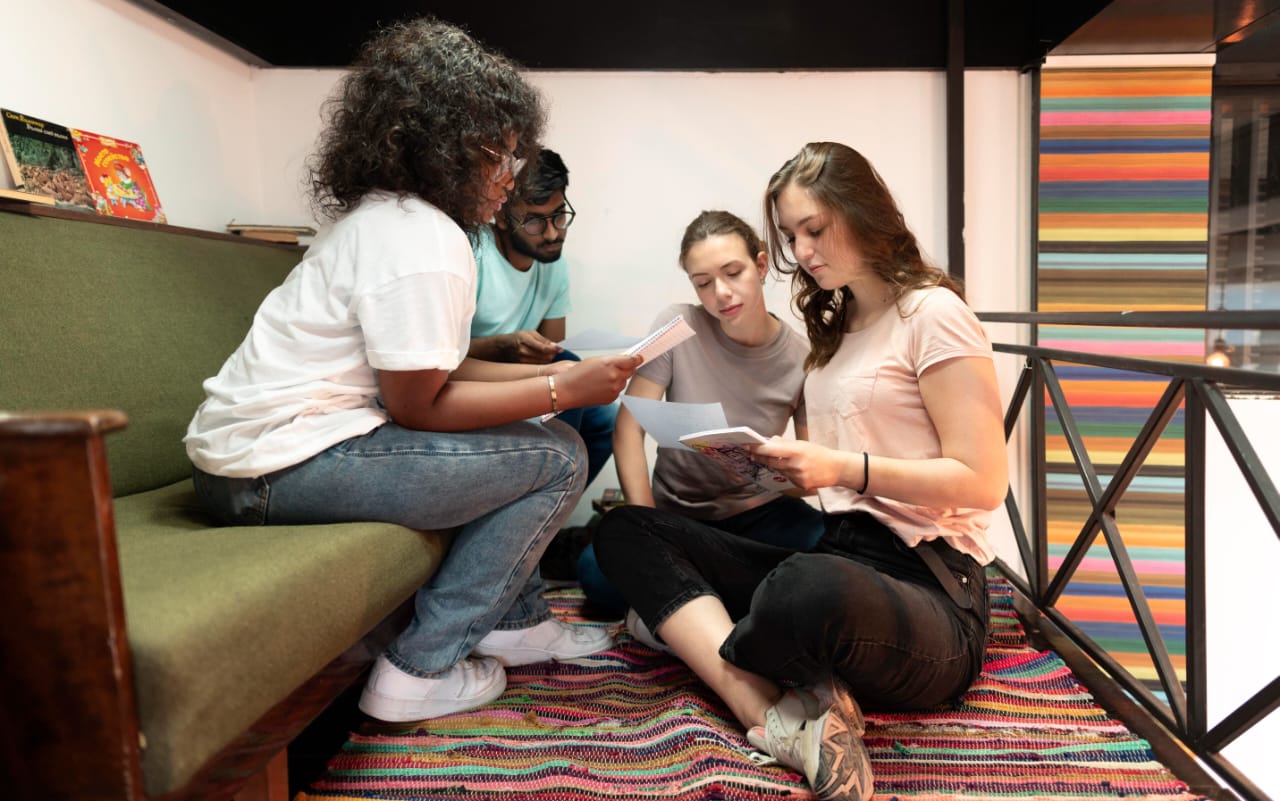

Safeguarding a young person in supported accommodation requires more than one organisation working alone. It demands clear communication, shared responsibility, and coordinated action across multiple agencies.
At Oasis Home Services, multi-agency collaboration is built into our operational model — not added as an afterthought.
Who Is Involved?
Effective safeguarding in 16+ settings typically involves:
- The supported accommodation provider (Oasis)
- The young person’s allocated social worker
- The commissioning Local Authority
- CAMHS or other mental health services
- Education providers and EET coaches
- GP and health services
- Police, where relevant
How We Collaborate
Our team — including residential support staff, therapeutic practitioners, EET coaches, and social work oversight — maintains regular communication with all relevant agencies. We attend multi-agency meetings, contribute to care plan reviews, and ensure our risk management plans are aligned with pathway planning.
Why It Matters
When agencies work in silos, young people fall through the gaps. Missed information, delayed responses, and unclear accountability can have serious consequences. A coordinated approach means risks are identified earlier, responses are faster, and outcomes are better.
Our Safeguarding Commitment
Oasis operates with 24/7 on-call management, clear escalation protocols, and transparent reporting. Every placement includes a live risk management plan, reviewed regularly in collaboration with the Local Authority team.
Safeguarding is not a process at Oasis. It is our culture.